



Zone of Regulation
What are the Zones of Regulation?
At Heron Academy, we use the Zones of Regulation as part of our approach to supporting pupils’ emotional development and wellbeing.
The Zones of Regulation is a framework that helps pupils to:
- recognise how they are feeling
- understand different emotions
- develop strategies to manage their feelings
- build independence in regulating their behaviour
This supports our aim for pupils to manage their emotions, communicate their needs, and engage confidently in learning and daily life.
The Four Zones
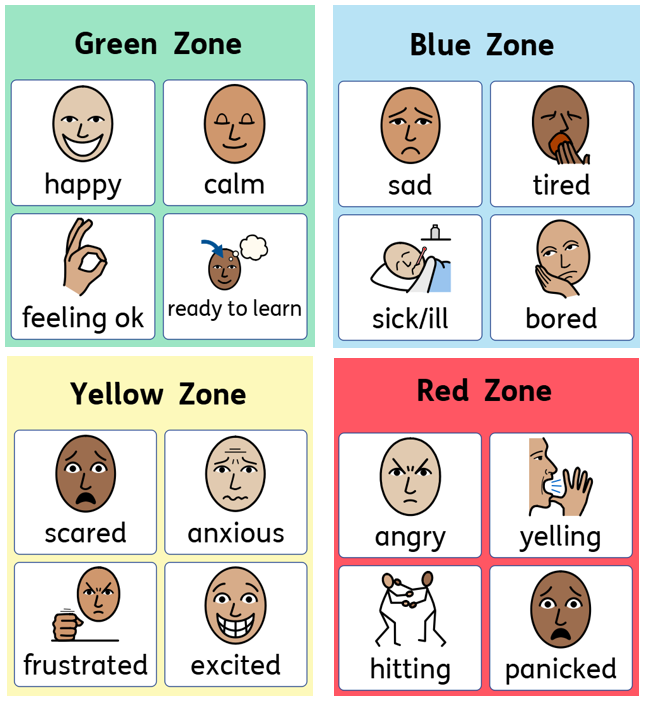
We teach pupils to identify their emotions using four coloured zones:
- Blue Zone – feeling sad, tired, bored or unwell
- Green Zone – feeling calm, happy or ready to learn
- Yellow Zone – feeling scared, frustrated or anxious
- Red Zone – feeling overwhelmed or angry
All zones are natural and expected. We support pupils to understand that there is no “bad” zone, but that some feelings require support to help us feel safe and ready to learn.
How we use the Zones at Heron
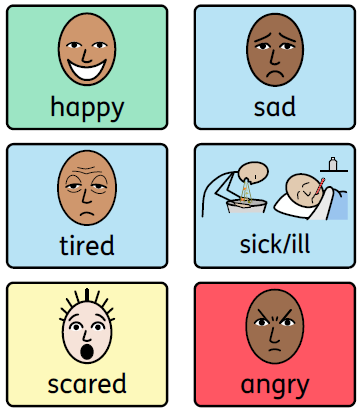
The Zones of Regulation are embedded across the whole school day and are adapted to meet the individual needs of our pupils. All staff wear a simplified core board with 6 feelings, on their lanyard.
Consistent daily practice
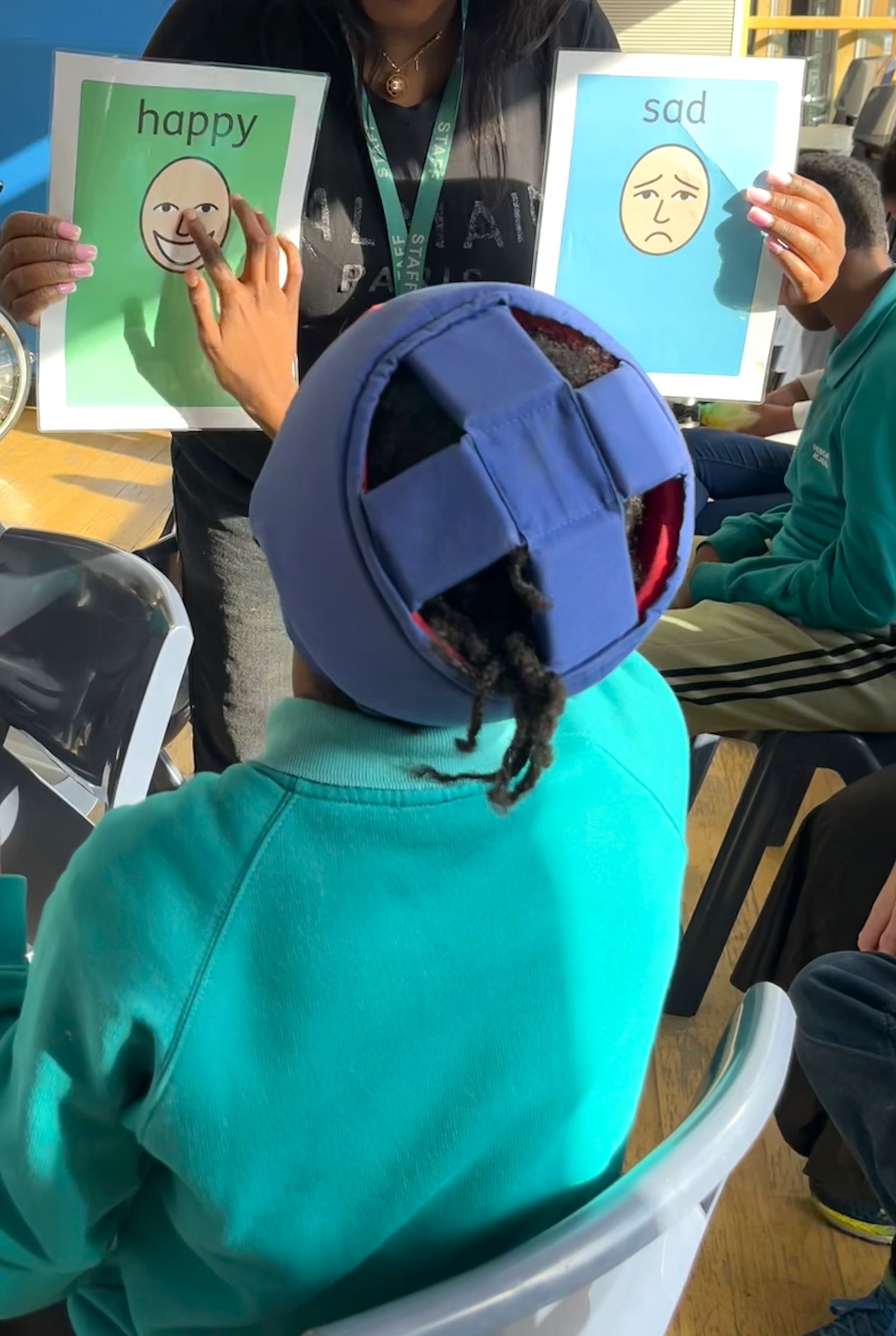
- During the morning, classes go through how each pupil is feeling.
- Staff model emotional language and regulation strategies
- Zones are referenced during lessons, transitions, and routines
Personalised support
- Strategies are tailored to each pupil’s communication and sensory needs
- Visual supports, symbols, and AAC are used to ensure accessibility
- Pupils are supported to recognise changes in their body and emotions
Teaching regulation strategies
Pupils are supported to use strategies such as:
- sensory breaks
- breathing and calming techniques
- movement or physical activity
- communication with a trusted adult
A whole-school approach
Emotional regulation is a key part of our curriculum and is interwoven throughout the school day.
Our staff work closely with therapists and families to ensure a consistent and supportive approach. This reflects our commitment to:
- Communication – ensuring every pupil has a voice
- Consistency – creating predictable and safe environments
- Compassion – understanding each pupil’s individual needs
Supporting wellbeing
The Zones of Regulation form part of our wider wellbeing offer, where we prioritise:
- emotional safety
- strong relationships
- personalised therapeutic support
We believe that when pupils feel understood and supported, they are better able to learn, engage, and thrive.